
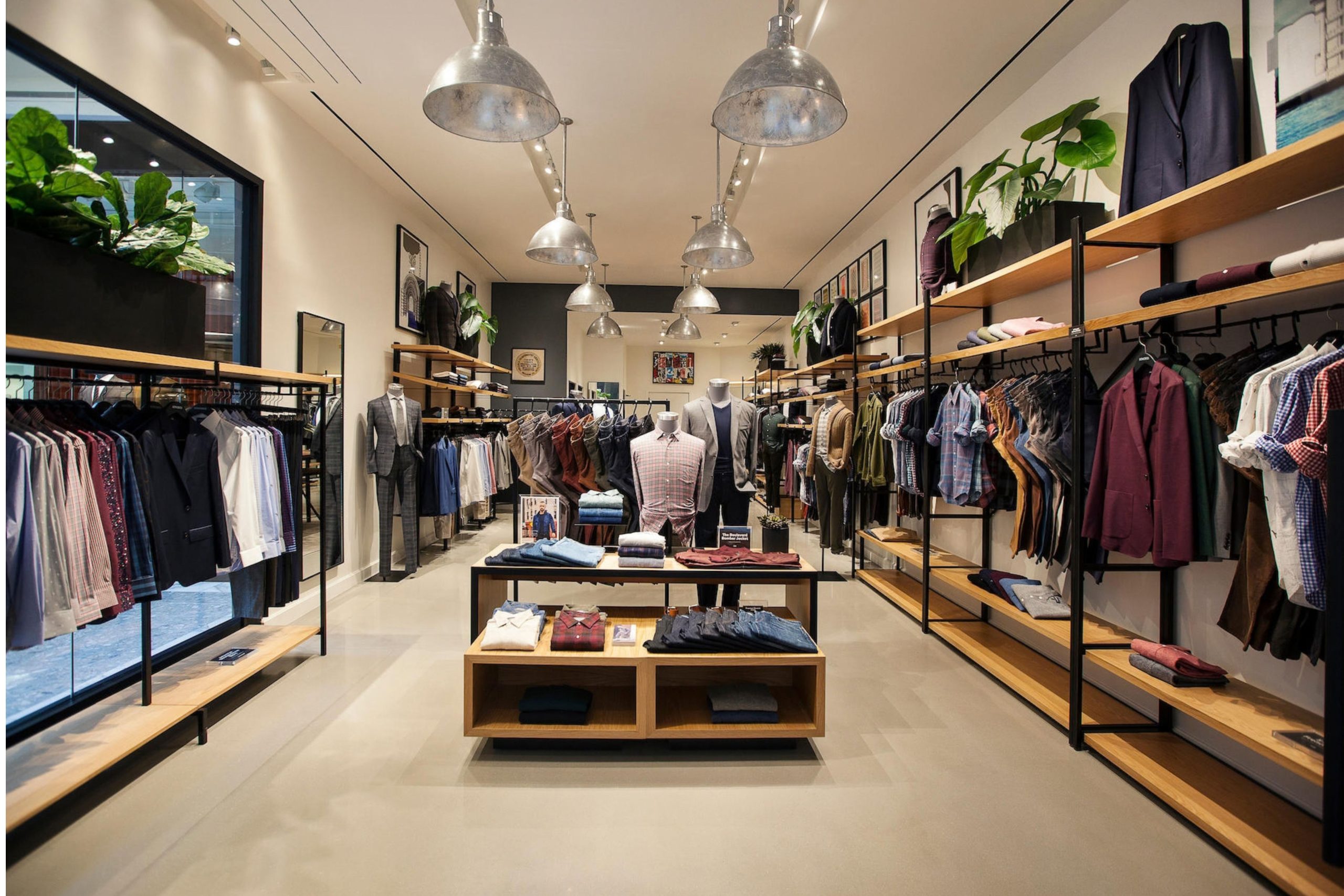
Summer is when closets get restless. Shoppers are swapping heavy layers for tank tops and quietly wondering if their wardrobe still fits the life they’re living. That’s the moment a summer sale should tap into, not just discounted inventory but a window when people already want new clothes.
Most clothing stores still market their sale like a hardware store would: a banner, a percent-off graphic, one boosted post. Fine for commodity goods, flat for apparel, where the decision is visual and emotional. Shoppers need to picture themselves wearing a piece somewhere real. Here’s a playbook built around that.
What Makes a Clothing Store’s Summer Sale Different From Any Other Retail Promotion?
A shoe store can sell on comfort. A boutique can lean on curation. A clothing store has to sell a whole look, sometimes a whole wardrobe. Per the National Retail Federation, apparel is one of the categories most driven by visual discovery rather than price alone, so your marketing needs to show more than it tells.
1. Build an Event Landing Page as Your Home Base
Every flyer, post, and email should point to one dedicated landing page, not your homepage. State the dates, list what’s included (new arrivals, clearance, denim, swim), and show outfit photos so shoppers feel the vibe before walking in. I’ve built these using PosterMyWall’s event page tool, which adds a countdown and RSVP form without a designer on standby. This page becomes the single link everything else here funnels toward.
2. Promote the Sale Through Styling-Led Social Content
Skip the plain discount graphic. Post outfits instead: a linen shirt styled two ways, one pair of shorts paired with three tops, a reel of someone trying on a full look. A carousel titled “5 ways to wear one dress this summer” tends to beat a static percent-off image, since it answers what shoppers actually wonder: what would I do with this? Tag the pieces and link the landing page.
3. Design Flyers and Banners People Actually Stop For
In-store signage and neighborhood flyers still pull foot traffic, but only when worth a second glance. Bold color blocking, a clear headline, and a real outfit as the hero image beat clip art almost every time. Short on design hours? Browsing sale templates helps you find a layout to drop your own photos into.
4. Run Limited-Time Deals to Create Urgency
One flat week-long discount rarely pushes clothing shoppers to act today. Rotate smaller windows instead: a 24-hour swimwear deal, a weekend buy-one-get-one on tees, a “first 20 shoppers” perk on a new drop. These give you fresh content every day instead of one announcement people scroll past.
5. Partner With Local Influencers and Nearby Businesses
A local micro-influencer trying on your new arrivals often converts better than a paid ad, since followers already trust their taste. Pair that with a cross-promotion, maybe a nearby salon offering a discount for anyone showing a receipt from your sale. It makes the sale feel like a neighborhood event, not just another markdown.
6. Encourage Early-Bird RSVPs Through the Landing Page
Add an RSVP form to your event page and offer something concrete for it: early access, a bonus code, or a giveaway entry. It builds your list before the sale opens and gives you a headcount for staffing and fitting rooms. A well-timed sale email campaign sent to that list usually beats a cold blast to your full subscriber file.
7. Publish a Lookbook to Show Full Outfits, Not Just Single Items
This is where clothing stores have an edge shoe stores and boutiques don’t get. A short seasonal lookbook, five or six outfits on real customers or staff, gives shoppers permission to buy more than one item because they can see how pieces work together. Share it as a carousel or bag a printed version with purchases. Showing one outfit across different body types also signals your size run works for real customers.
Frequently Asked Questions (FAQs)
1. How far in advance should I start marketing a clothing store’s summer sale?
Give yourself two to three weeks. Your landing page and RSVP list need time to build before doors open, and outfit content works better rolled out gradually.
2. Do I need a designer to make flyers and an event page?
Not really. Many owners handle it themselves with ready-made templates, and PosterMyWall bundles the event page, flyers, and email templates in one place, so you’re not juggling three tools during your busiest week.
3. What’s the biggest mistake clothing stores make with summer sale marketing?
Treating it like a generic markdown instead of a styling occasion. Shoppers respond to outfit ideas far more than a plain discount graphic, especially where fit and look drive the purchase.
Turn Your Summer Sale Into a Wardrobe Event, Not Just a Markdown
The stores that win a summer sale treat it as a styling occasion, not a clearance event. Start with the landing page, build outfit-led content around it, and keep urgency going with rotating deals and local partnerships. A sale email campaign built ahead of time saves you the scramble on launch day.
