
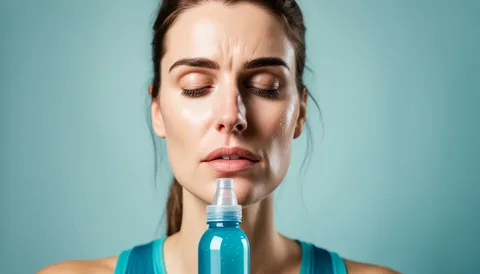
A conversation with a nutritionist in Mumbai often reveals a surprising truth: most people believe they drink enough water, yet their bodies show clear signs of dehydration. Headaches, fatigue, poor digestion, muscle cramps, sugar cravings, and dull skin are brushed off as stress or routine tiredness. Rarely do people consider hydration as the missing link.
In urban lifestyles shaped by caffeine, air conditioning, stress, workouts, and irregular meals, hydration becomes far more complex than filling a bottle and ticking a box.
Why Dehydration Is More Common Than You Think
Dehydration doesn’t always mean intense thirst. Mild, chronic dehydration can exist quietly for years. The body adapts by conserving water, often at the expense of energy, digestion, and focus.
Busy routines contribute heavily to this issue. People sip coffee all morning, delay meals, forget water during meetings, and exercise without replenishing properly. Add heat, humidity, and long screen hours, and fluid loss increases without being noticed.
By the time thirst kicks in, dehydration has already begun. Those working with a dietitian in Mumbai discover that hydration is not only about how much water you drink, but how well your body is actually absorbing and using it.
Water Alone Is Not Always Enough
One of the biggest misconceptions around hydration is that more water automatically means better hydration. In reality, hydration depends on fluid balance and electrolytes, minerals like sodium, potassium, and magnesium that help regulate fluid movement inside the body.
Drinking large amounts of plain water without adequate electrolytes can dilute these minerals, making hydration less effective. This is why some people feel bloated, tired, or heavy even though they’re “drinking enough water.”
True hydration is about balance, not volume.
The Role of Electrolytes in Daily Functioning
Electrolytes are essential for nerve signals, muscle contraction, digestion, and energy production. When electrolyte balance is off, the body struggles to retain and use fluids efficiently.
Low electrolyte levels can lead to fatigue, brain fog, headaches, dizziness, muscle cramps, and irregular digestion. These symptoms are often mistaken for low fitness or poor diet, when hydration quality is the real issue.
Electrolyte imbalance doesn’t only affect athletes. Office workers, frequent coffee drinkers, people under stress, and those eating low-salt diets are equally vulnerable.
How Diet Influences Hydration
Hydration doesn’t come only from water. Food plays a significant role. Fruits, vegetables, soups, dals, and curd-based meals all contribute to fluid intake. On the other hand, highly processed foods increase sodium imbalance and water loss.
High sugar intake pulls water into the digestive tract, while excessive caffeine and alcohol increase urine output. Skipping meals also affects hydration by reducing electrolyte intake throughout the day.
A well-structured diet supports hydration naturally, without forcing excessive water intake.
Dehydration and Digestive Health
Poor hydration is one of the most overlooked causes of digestive discomfort. Insufficient fluids slow digestion, increase bloating, worsen constipation, and reduce nutrient absorption.
Many people respond to digestive issues by cutting foods or increasing fibre, without addressing hydration. Fibre without adequate fluid can actually worsen symptoms.
When hydration improves, digestion often becomes smoother without major dietary changes.
The Hidden Link Between Hydration and Weight Management
Hydration plays a subtle but important role in weight regulation. Dehydration increases perceived hunger, leading people to eat when the body actually needs fluids. This contributes to unnecessary snacking and sugar cravings.
Low hydration also affects metabolism and exercise performance. Workouts feel harder, recovery slows, and fatigue increases, making consistency difficult.
Proper hydration supports appetite regulation, energy levels, and physical activity, all of which influence body composition over time.
Exercise, Sweat, and Fluid Loss
Physical activity increases fluid and electrolyte loss through sweat. However, many people underestimate how much they lose, especially in hot or humid environments.
Replacing sweat loss with only water can dilute electrolytes further. This may cause post-workout fatigue, headaches, or muscle soreness that feels disproportionate to the effort.
Hydration strategies should change based on activity level, climate, and training intensity, not remain static.
Stress and Hydration – An Overlooked Connection
Chronic stress alters fluid balance in the body. Elevated cortisol affects kidney function and increases mineral loss, particularly magnesium and potassium.
This explains why people under stress often feel dehydrated despite drinking water. Stress management, adequate mineral intake, and consistent meals all support better hydration.
Ignoring stress while focusing only on water intake limits results.
Signs Your Body Needs Better Hydration, Not More Discipline
Many people push harder, more workouts, stricter diets, when their bodies are actually asking for better hydration. Warning signs include constant fatigue, frequent headaches, dry mouth, poor concentration, muscle stiffness, and slow recovery.
These signals are often misinterpreted as a lack of motivation or ageing, when they are simply signs of imbalance.
Learning to recognise these cues changes how people approach health.
Building Smarter Hydration Habits
Effective hydration comes from small, consistent habits rather than forced water intake. Spreading fluids throughout the day, pairing water with meals, including mineral-rich foods, and adjusting intake based on activity levels all improve absorption.
Hydration routines should be flexible, not rigid. The goal is to support the body, not overwhelm it.
This approach feels far more sustainable than chasing arbitrary litre targets.
Why Personalised Guidance Makes a Difference
Hydration needs vary widely based on body size, diet, stress levels, physical activity, and environment. What works for one person may leave another feeling bloated or depleted.
Personalised nutrition support helps individuals understand their unique hydration requirements instead of following generic advice. This clarity often resolves long-standing issues people didn’t even realise were hydration-related.
When hydration aligns with lifestyle, health improvements feel effortless rather than forced.
Feeling Better Often Starts With the Basics
Hydration is rarely glamorous, but it is foundational. Before chasing supplements, intense training, or restrictive diets, supporting fluid and electrolyte balance often creates noticeable improvements in energy, digestion, mood, and physical performance.
Health doesn’t always require dramatic changes. Sometimes, it requires listening more closely to what the body has been asking for all along.
When hydration is done right, everything else tends to work better.
